
CES Field Notes | Venetian Campus: Where Unicorn Ideas Move Fast Toward RealityCES 现场观察|威尼斯人(Venetian)分馆:独角兽的起点,创意在这里快速落地
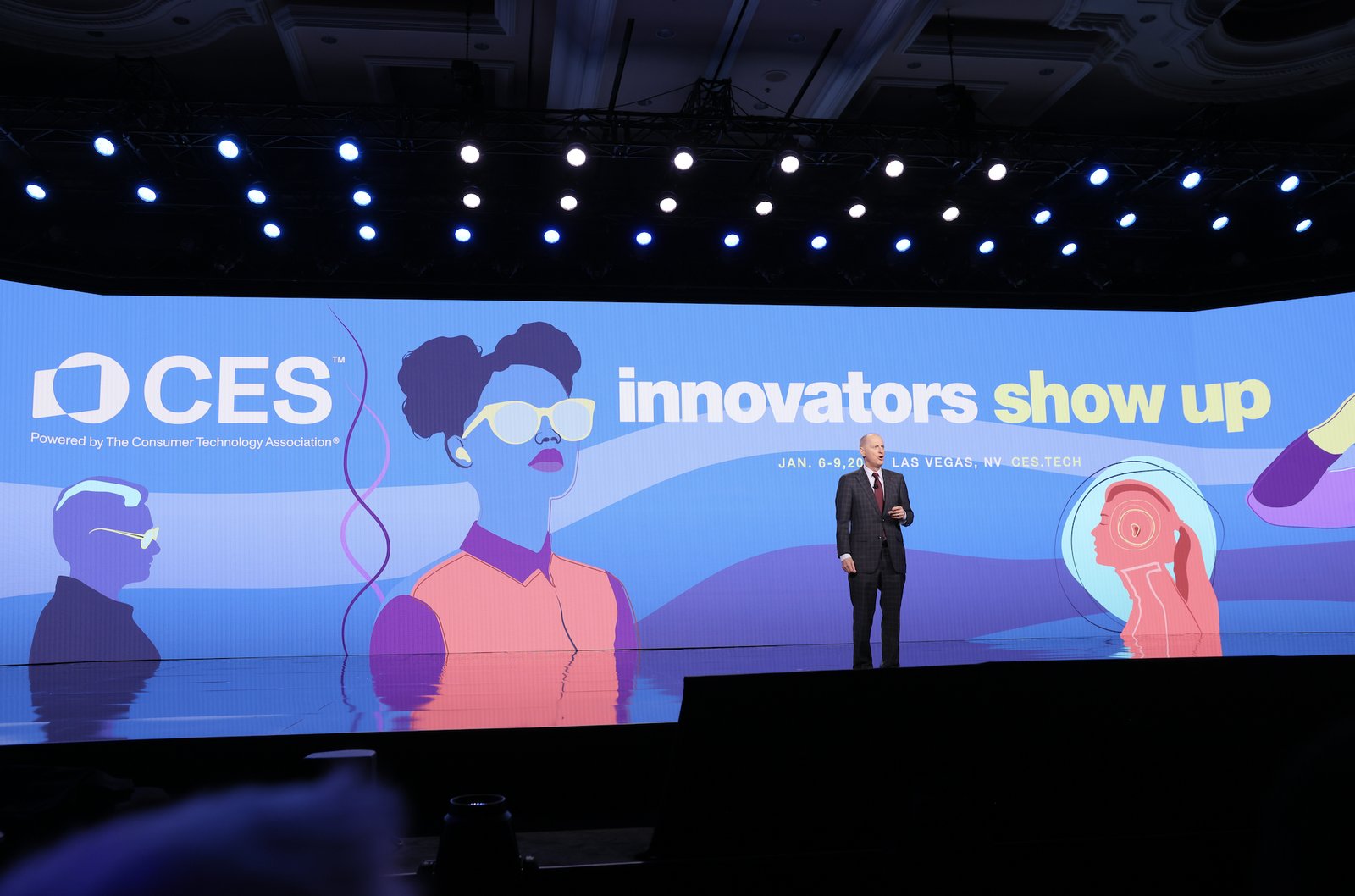
If the Fontainebleau campus is where the industry debates long-term direction, the Venetian campus at CES is the innovation front line. It is densely packed with unicorns and high-growth teams — where new ideas and frontier technologies often appear first and move quickly toward real products.
One clear and encouraging trend this year: digital health and wearable wellness companies were significantly more present, and more mature. Rather than stopping at concept demos or basic tracking, many products focused on long-term use, real scenarios, and sustained health value.
Among many teams worth watching, two that SVCC spent meaningful time with on site — and that stood out as representative cases — were Elemind and Neurable.
Elemind: sleep support through sound and brain rhythms
Elemind focuses on sleep — a high-frequency, long-standing health challenge. Rather than a traditional sleep tracker alone, its wearable approach emits rhythmically patterned “white noise” during the sleep-onset process, coordinating with brain activity to help users fall asleep more readily and improve overall sleep quality.
The key idea is not simply to override or replace the body’s natural process, but to embed technology into physiological rhythms that are already underway — keeping the intervention as low-perception and low-burden as possible.
In a “Body-based Tech” keynote, Meredith Perry (co-founder and CEO of Elemind) addressed a core question about long-term use. She explained that Elemind’s design logic works with the brain’s natural rhythms, so the product is not intended to create dependence or diminishing returns over time, nor to lose sleep-support effectiveness with continued use.
Neurable: from wearables toward cognitive-state sensing
Neurable focuses on cognitive state — combining wearables with brain–computer interface technology to identify and quantify attention, fatigue, and cognitive load.
Products in this direction point to a broader shift: wearables are moving beyond recording body data toward understanding whether someone is in a suitable state to keep working, deciding, or performing at high intensity — extending into cognitive and productivity management.
What Venetian signals
Overall, health technology is moving from “recording data” toward “understanding and influencing behavior.”
Beyond the headline demos, Venetian remains full of quieter surprises — teams and ideas not yet widely discussed that may shape the next wave of breakthroughs.
For SVCC, Venetian remains one of the stronger places at CES to see early signals of what may come next. SVCC will continue tracking these early but promising innovation directions and sharing more on-the-ground observations.
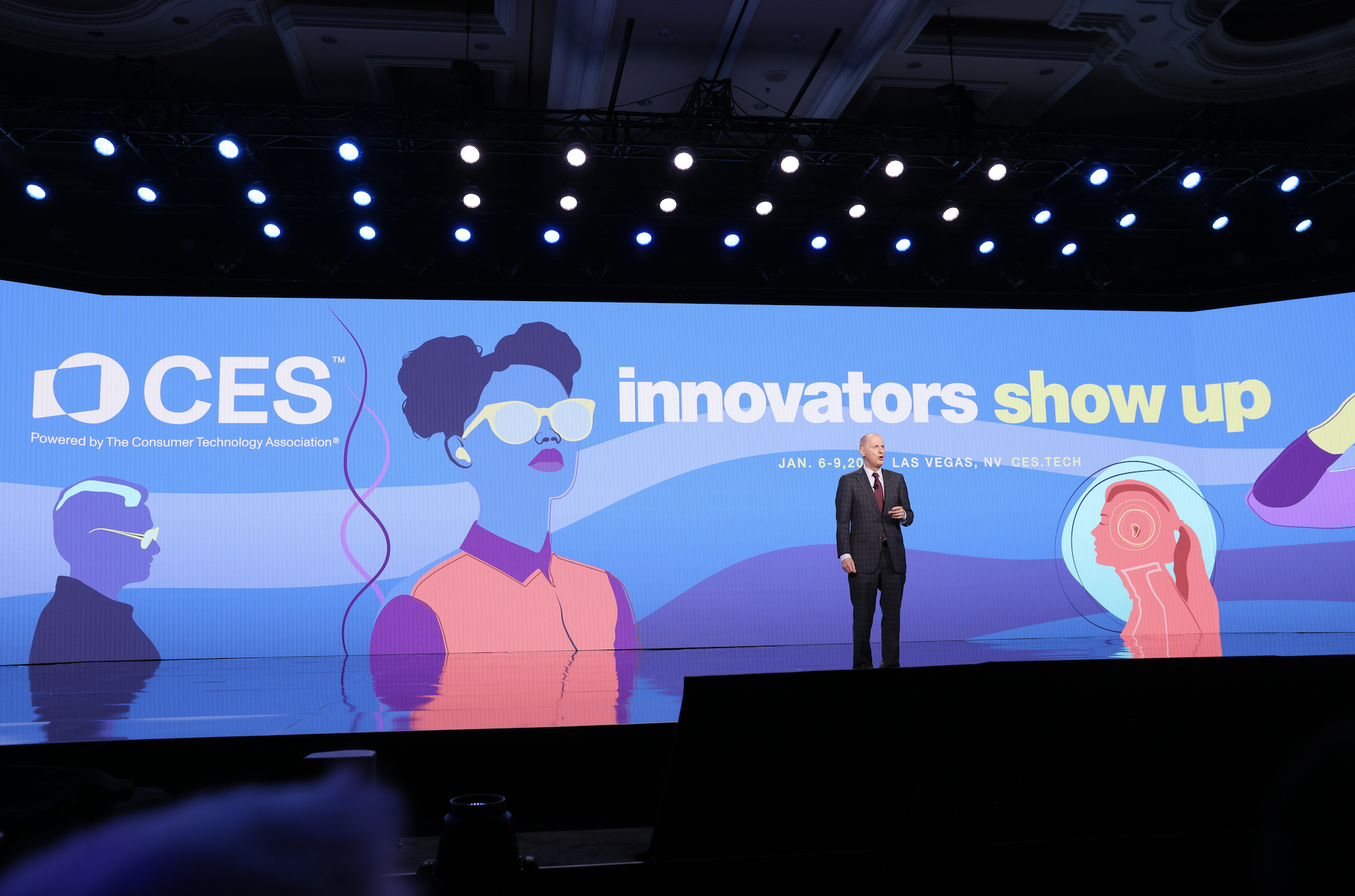
如果说枫丹白露分馆更多承载的是宏观判断与长期方向,那么在 现场,Venetian 分馆则更像是 的“创新前线”。这里几乎被独角兽初创公司与高成长团队占据,新的想法与前沿技术,往往率先在这里出现,并加速走向落地。
今年在威尼斯人分馆,一个非常明显、也令人惊喜的趋势是:
Digital 与可穿戴健康相关企业显著增多,且整体成熟度明显提升。
相比以往更多停留在概念展示或数据记录阶段,今年看到的产品,已经开始聚焦长期使用、真实场景与可持续的健康价值。
在众多初创企业中,不乏值得持续关注的团队与方向。以下两家公司,并非个别亮点,而是在现场交流与体验中,SVCC 进一步了解较多、也更具代表性的案例:Elemind 与 Neurable。
Elemind:用声音与大脑节律协同的助眠技术
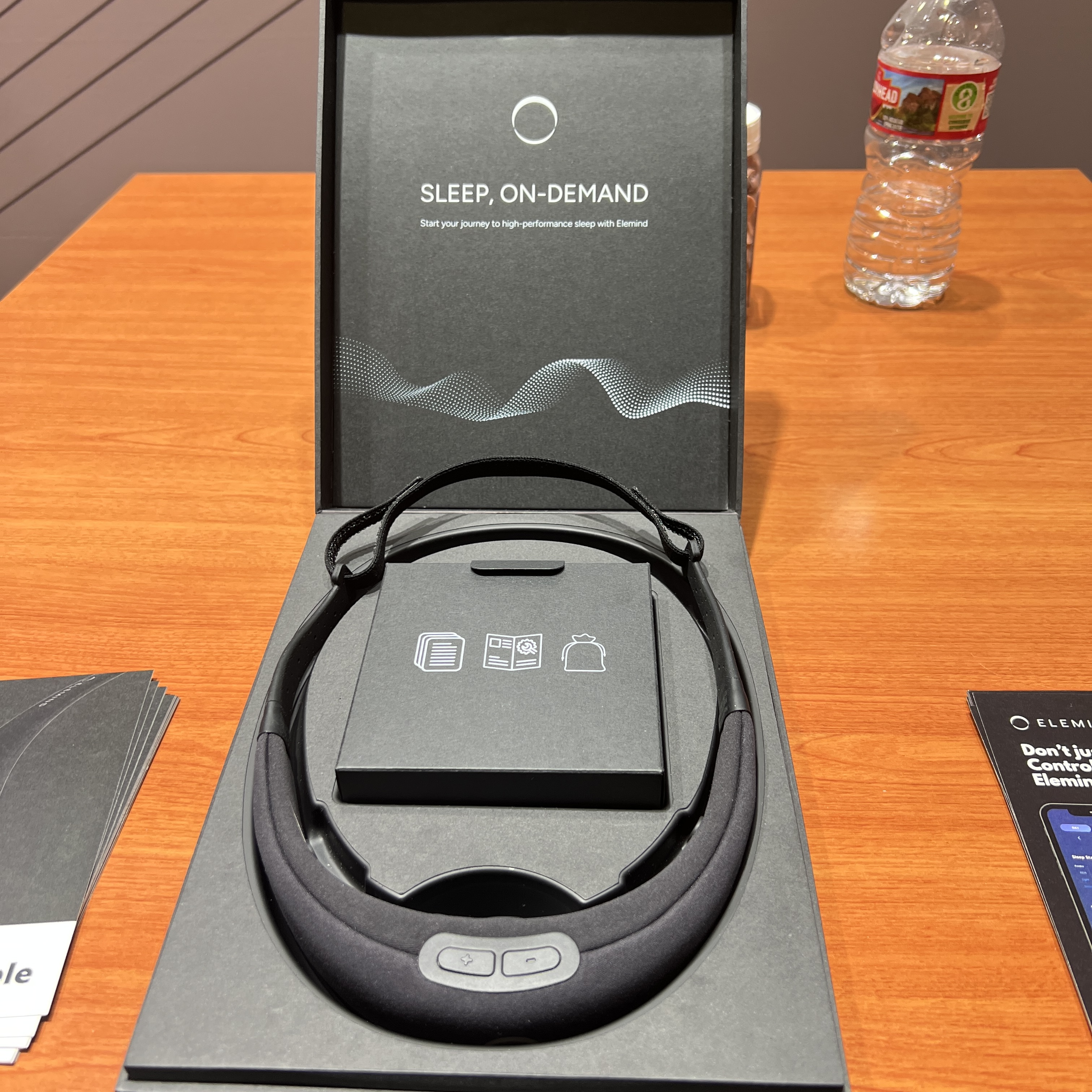
Elemind 聚焦睡眠这一高频、长期存在的健康问题。其产品并非传统意义上的睡眠监测设备,而是通过可穿戴形式,在入睡过程中发出特定节律的“白噪音”,与大脑活动产生协同作用,从而帮助用户更快进入睡眠状态、提升整体睡眠质量。
这一技术路径的关键在于它并不是简单“覆盖”或“替代”身体的自然过程,而是将技术嵌入到已经发生的生理节律中,使干预本身尽可能低感知、低负担。
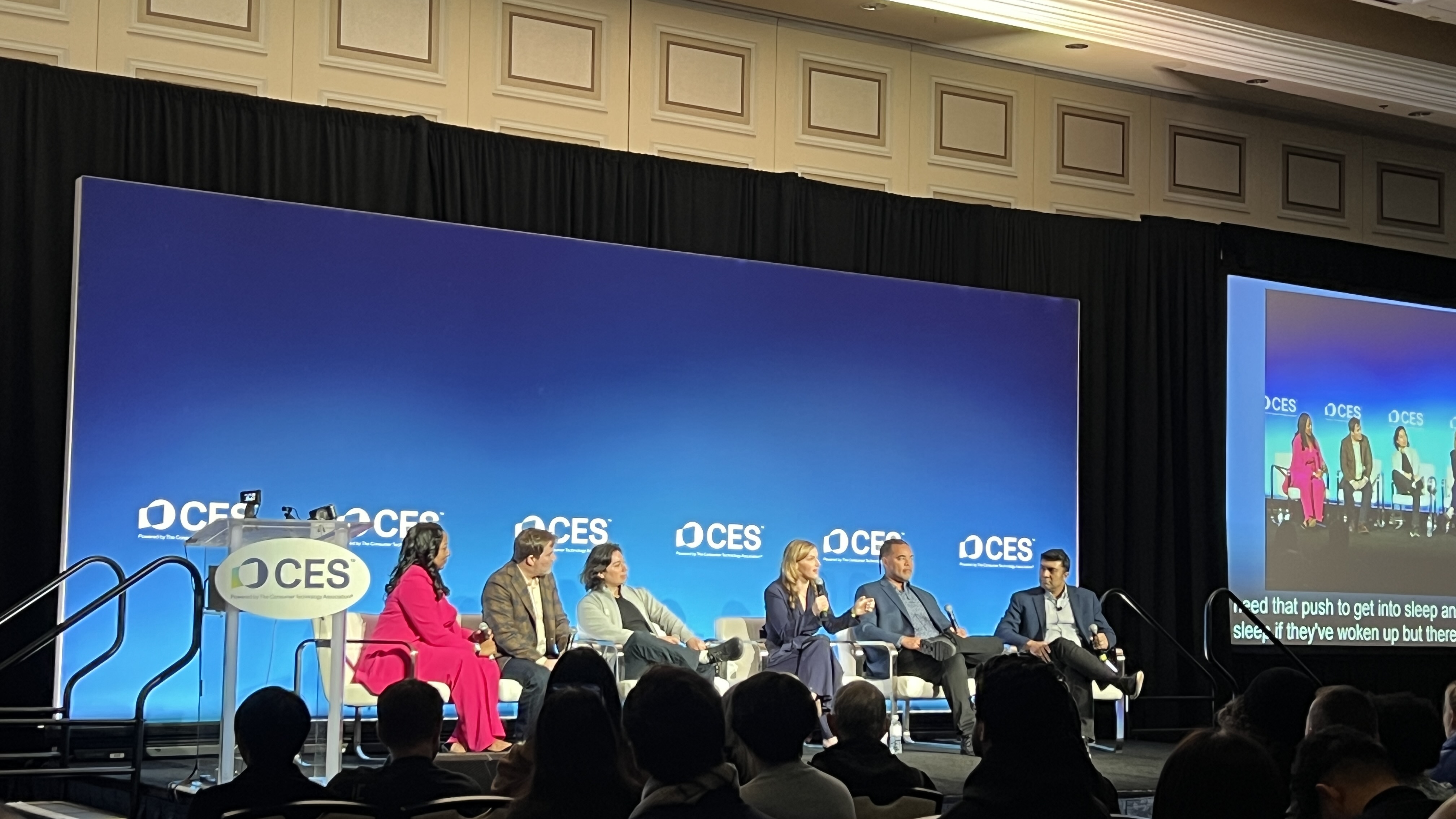
在 “Body-based Tech” 主题演讲中,Meredith Perry(Elemind 联合创始人兼 CEO)也回应了关于产品长期使用的核心问题。她表示,Elemind 的设计逻辑是与大脑的自然节律协同工作,因此不会在长期使用后产生依赖或适应性削弱,也不会因为持续使用而降低助眠效果。
Neurable:从可穿戴走向“认知状态感知”
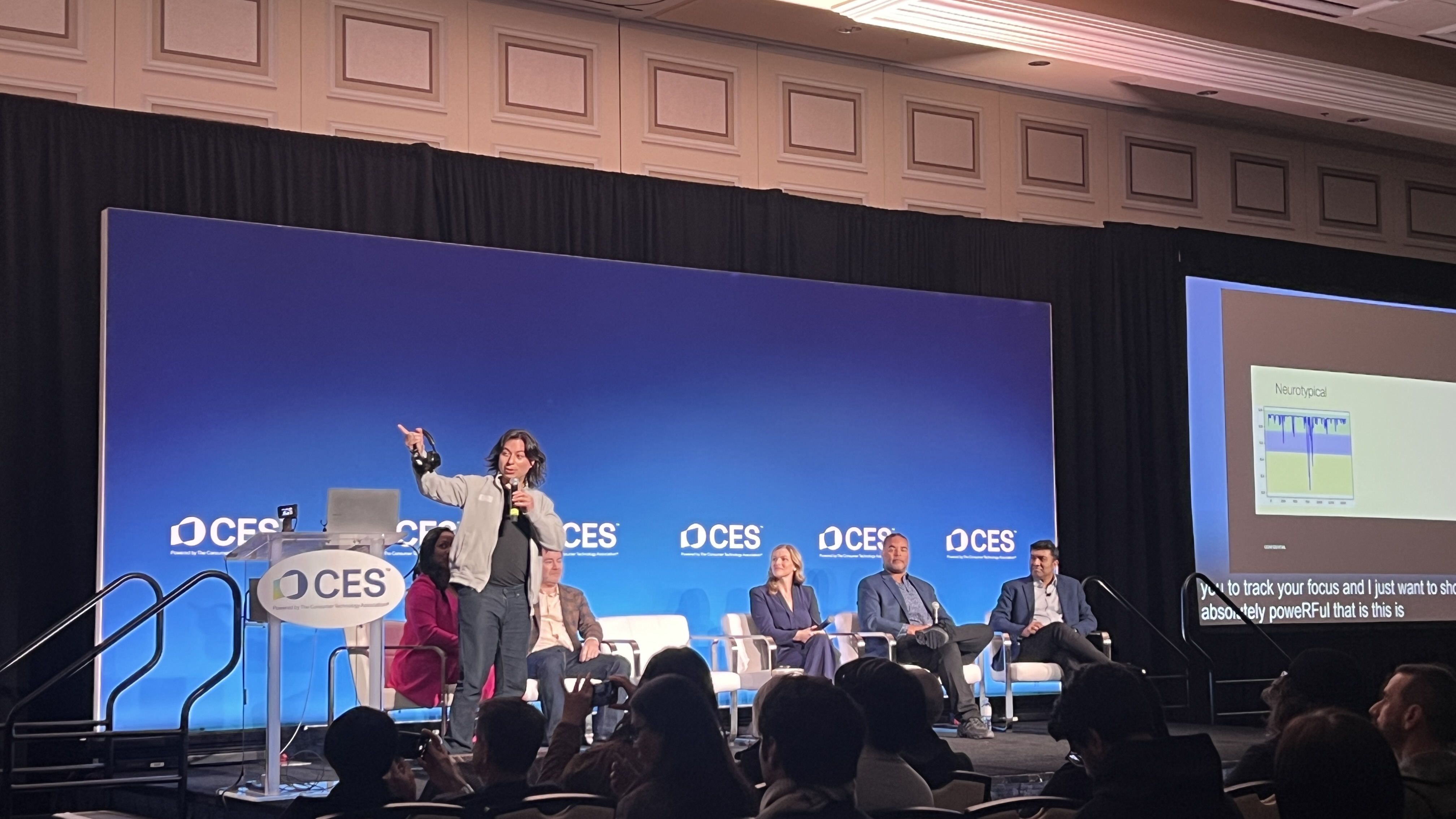
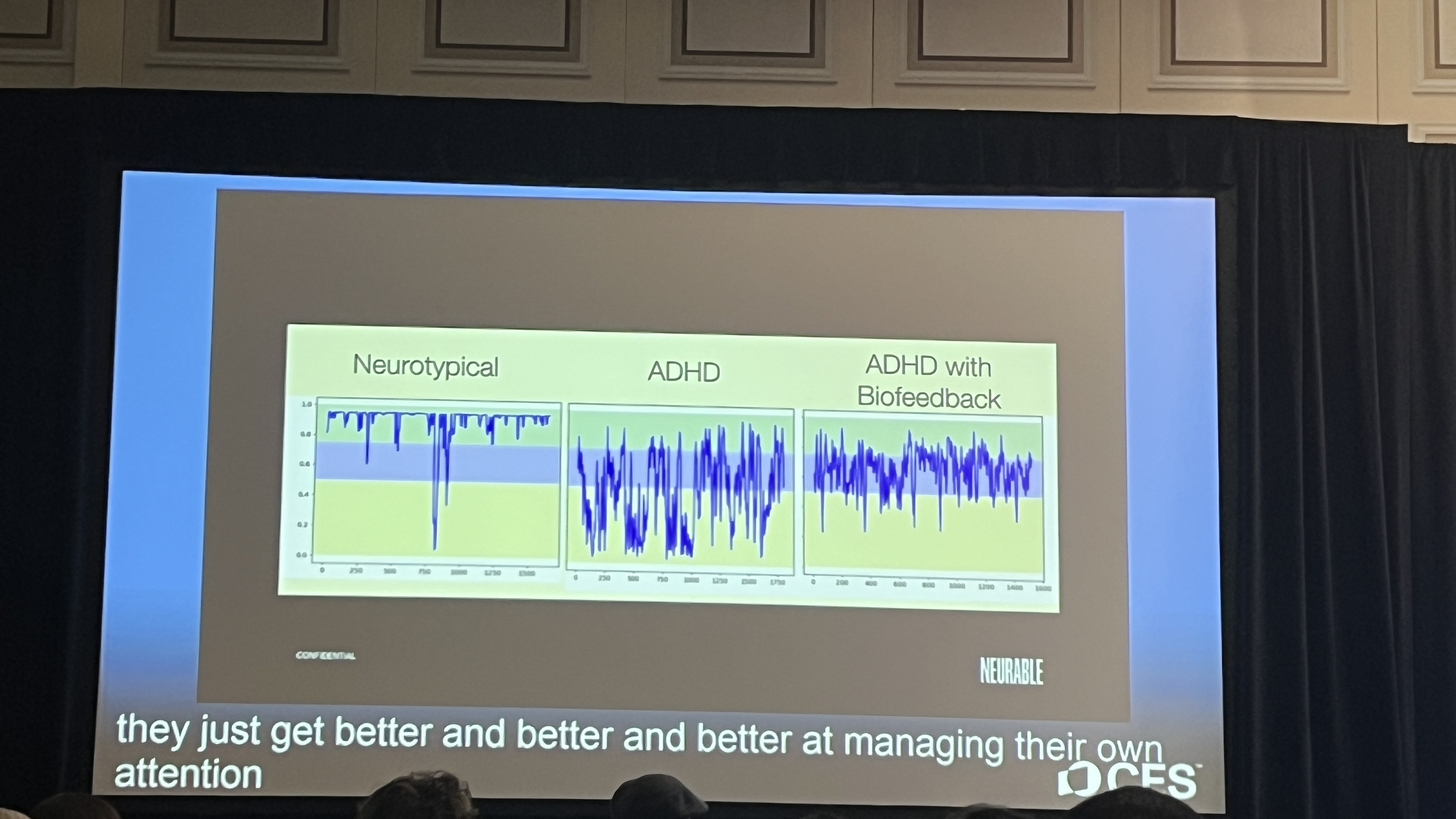
Neurable 将关注点放在认知状态上,通过结合可穿戴设备与脑机接口技术,尝试识别并量化用户的专注度、疲劳程度与认知负荷。
这类产品代表了一种更前沿的趋势:可穿戴设备不再只记录身体数据,而是开始尝试理解人的状态是否适合继续工作、决策或高强度输出,并向认知与生产力管理延伸。
威尼斯人分馆
整体来看,健康科技正在从“记录数据”,走向“理解并影响行为”。
除此之外,威尼斯人分馆本身也处处是惊喜、藏龙卧虎——许多尚未被广泛讨论的团队与想法,正在这里悄然酝酿下一阶段的突破。
威尼斯人分馆,依然是 上最能看到“下一步将会发生什么”的地方。
SVCC 将持续关注这些早期但极具潜力的创新方向,带来更多来自一线的观察与分析。
Source: xinxinhuitong.com